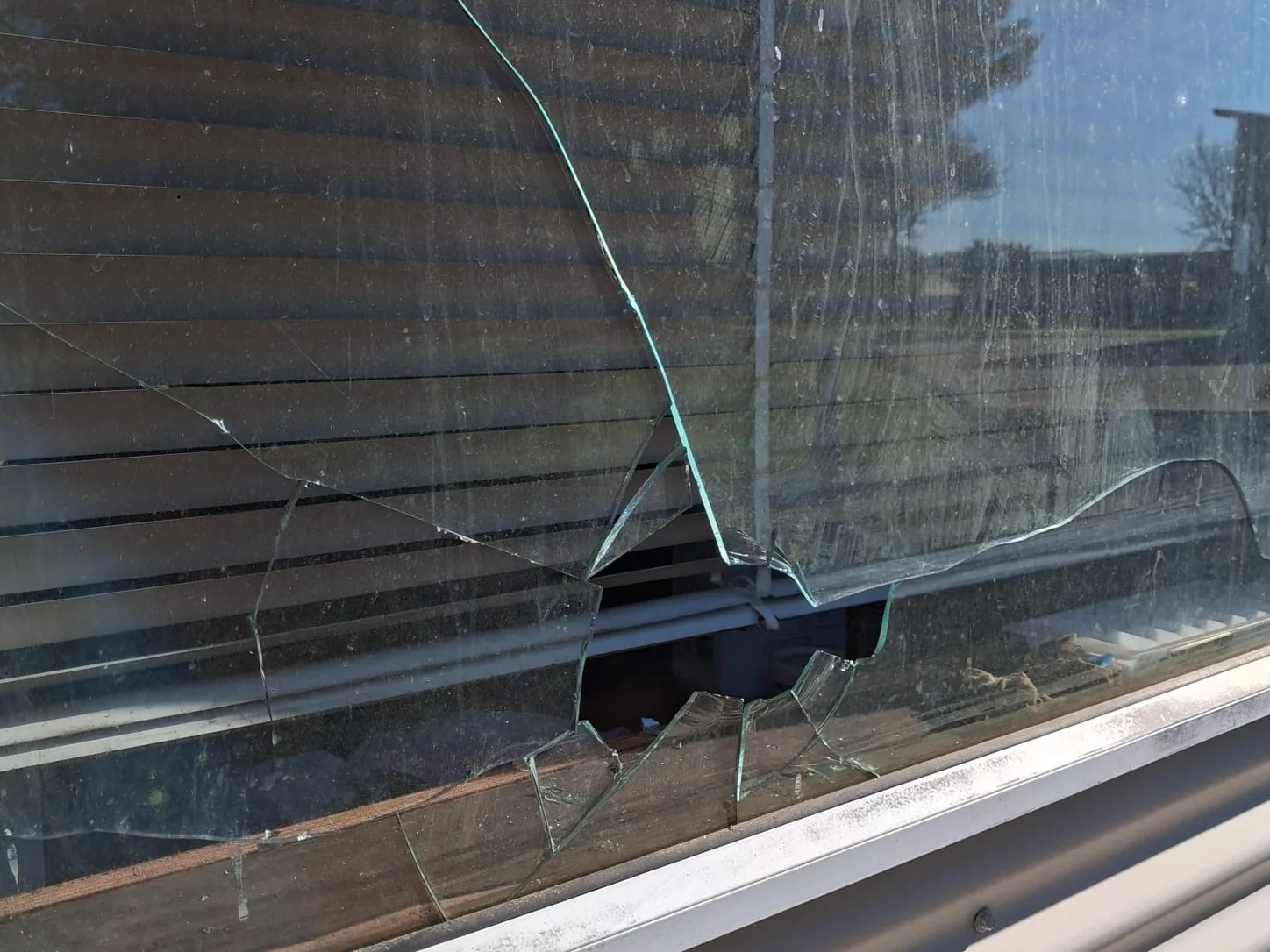
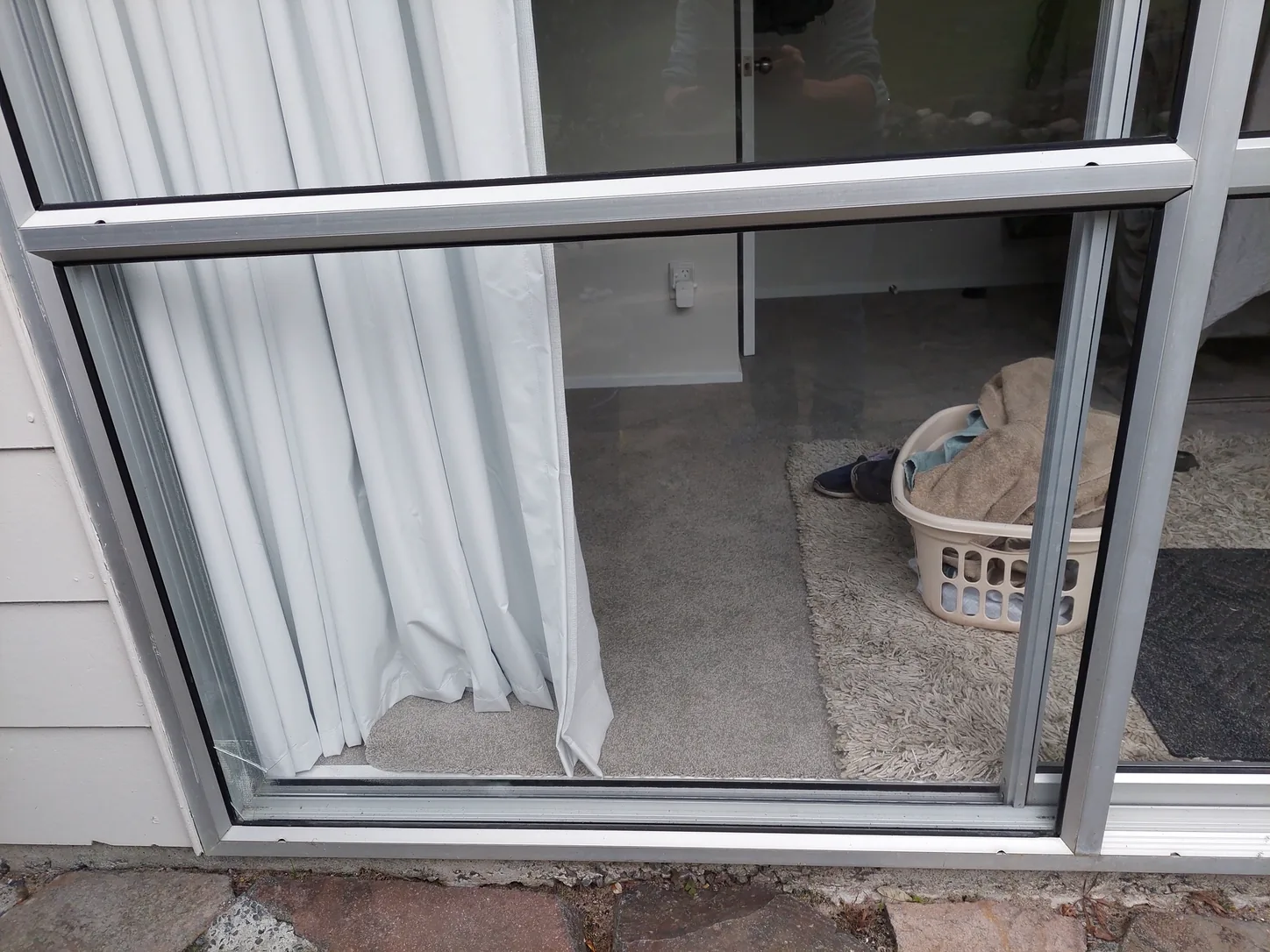
A broken window in a rental raises two questions at once: how do we get it fixed quickly, and who is actually paying for it? It is one of the most common queries we get from both landlords and tenants in Tauranga. The honest answer is that it depends entirely on how the window broke, and New Zealand's Residential Tenancies Act sets out clear rules for each situation. Here is a plain-English guide, plus what to do the moment a window goes.
The short answer: who pays for a broken window in a rental?
Before we get into the detail, here is the quick version. Under the Residential Tenancies Act 1986, responsibility falls out like this:
- Fair wear and tear (a seal or frame that has perished over years, glass that failed with no impact) is the landlord's responsibility.
- A break-in, vandalism by an outsider, or storm damage is not the tenant's fault, so it is generally covered by the landlord's insurance, not the tenant.
- Careless (accidental) damage by the tenant or their guest makes the tenant liable, but only up to the lower of four weeks' rent or the landlord's insurance excess.
- Deliberate damage, or damage caused during an act that could carry a prison sentence, makes the person who did it liable for the full cost.
Whatever the cause, the first priority is making the property safe and secure. Call First Glass Solutions on 07 571 1336 for fast glass repairs across Tauranga, and read on for how the costs get sorted out.
What to do right now if a window breaks in your rental
Whether you are the tenant or the landlord, the make-safe steps are the same, and they matter before anyone works out who pays:
- Keep children and pets well clear. Toughened safety glass shatters into thousands of small fragments that travel further than people expect.
- Do not try to pull large shards out yourself. They shift and cause deep cuts. Leave them for a glazier.
- If it was a break-in or vandalism, call the police first and get an event number. You will need it for an insurance claim.
- Cover the opening if weather or security is a concern. A heavy-duty rubbish bag taped over a small pane will hold until a glazier arrives; thin plastic or cling wrap will not.
- Tell the other party straight away. Tenants are required to let the landlord know as soon as possible when there is damage or a repair is needed. Landlords should be told even if the tenant intends to pay, because insurance and the excess may come into it.
For a smashed window, a shopfront, or anything that leaves the property open overnight, our 24/7 emergency glass team boards up the same night and returns with the permanent glass once it is cut to size. You are never left with an unsecured property.
Who is liable under the Residential Tenancies Act?
Since changes that took effect in 2019, the Residential Tenancies Act splits responsibility for damage by cause. Here is how a broken window usually falls out:
Fair wear and tear is always the landlord's cost. A tenant is never liable for the gradual deterioration of things through normal use, for example a seal that has perished or a sash that has dropped over the years.
Careless (accidental) damage: the tenant, but capped
If the tenant, or someone they invited onto the property, breaks a window carelessly (an accident that reasonable care would have prevented, like a stray ball, a dropped ladder, or a door blown out of a hand in the wind), the tenant is liable. But the law caps that liability. A tenant only has to pay up to the lower of four weeks' rent or the landlord's insurance excess, and that cap applies to each separate incident. Importantly, a landlord cannot demand or accept more than the cap, even if the tenant offers to pay it.
Deliberate damage or an imprisonable act: full cost
If a window is broken on purpose, or in the course of something that could carry a prison sentence, the person responsible is liable for the full cost of repair or replacement, with no cap. This is the exception to the four-weeks-rent limit above.
Damage the tenant did not cause: the landlord's insurance
A burglary, vandalism by a stranger, or a storm is not the tenant's careless or deliberate act, so it is not the tenant's liability. That kind of damage is normally dealt with through the landlord's house insurance. The tenant still reports it promptly (and to the police if it was a break-in), but they are not the one footing the repair bill.
| How the window broke | Who is responsible |
|---|---|
| Fair wear and tear (perished seal, aged frame, no impact) | Landlord |
| Break-in, vandalism by an outsider, or storm damage | Landlord, usually via insurance. Not the tenant |
| Careless accident by the tenant or their guest | Tenant, capped at the lower of 4 weeks' rent or the insurance excess, per incident |
| Deliberate damage, or damage from an imprisonable act | Tenant (or the person who did it), full cost, no cap |
Who has to prove what
If a dispute reaches the Tenancy Tribunal, the landlord has to show two things first: that the damage happened during the tenancy, and that it is more than fair wear and tear. The tenant then has the chance to show the damage was not careless or deliberate. If a tenant can demonstrate they took reasonable care, they may not be liable at all.
This is general information, not legal advice. Every tenancy is different, and the rules change from time to time. Check your tenancy agreement, and the current guidance at tenancy.govt.nz or with Tenancy Services, before you rely on it.
How the insurance excess cap works, with an example
The careless-damage cap trips people up, so here it is with numbers. Say the rent is $600 a week and the landlord's insurance excess is $500:
- Four weeks' rent is $2,400.
- The insurance excess is $500.
- The tenant's liability for that careless breakage is the lower of the two, so $500.
If the property is not insured, the cap is four weeks' rent instead. Either way, the landlord cannot ask the tenant for more than that figure for a single careless incident. Your tenancy agreement should tell you whether the property is insured and what the excess is, landlords have been required to include that information since 2019, so it is worth checking before you agree to pay anything.
What each side should do, step by step
Clear process saves a lot of friction. Here is the practical sequence for both parties.
If you are the tenant
- Make the area safe and secure the opening if you can.
- Take clear photos of the damage before anything is touched or repaired.
- Tell your landlord or property manager as soon as possible, in writing (text or email) so there is a record.
- If it was a break-in or vandalism, report it to the police and note the event number.
- Do not agree to pay a figure on the spot. Check whether it was careless damage (capped) or something the landlord's insurance should cover.
If you are the landlord or property manager
- Get the property secured first. A same-night board-up protects the building and your insurance position.
- Arrange a written quote from a licensed glazier, and a GST invoice for your records or your insurer.
- Work out the cause. Fair wear and tear and outsider damage are yours; careless tenant damage is capped; deliberate damage is chargeable in full.
- If you are claiming, contact your insurer before authorising the permanent repair, and remember you cannot recover more than the tenant's capped liability for careless damage.
Getting a Repair Quote for a Rental
A repair quote depends on the pane size, glass specification, frame condition and access. Temporary boarding and a permanent replacement may be separate stages. Confirm any attendance charges before arranging the work.
The tenancy liability example above is separate from the price of the repair. Get a written quote for the actual damage, then confirm responsibility and any insurance arrangements before authorising work.
Our emergency glass repair quote guide explains the information to provide and the charges to clarify.
Get it fixed fast, and get the paperwork right
First Glass Solutions works with landlords, tenants and property managers across Tauranga every week. We secure the property quickly, replace the glass to AS/NZS 2208 safety standards, and provide written quotes and GST invoices that suit a tenant paying directly, a landlord recharging a capped amount, or an insurance claim. If you are anywhere from the Avenues to Pyes Pa, or out to the Mount, Papamoa or Katikati, we are local and usually same-day.